
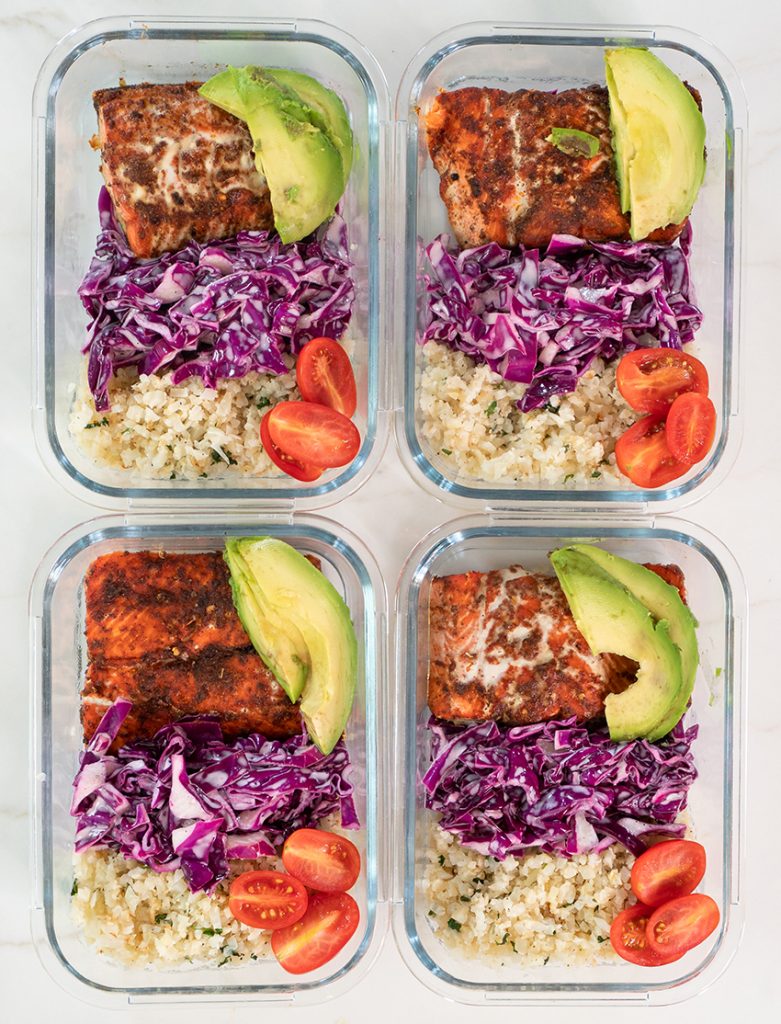
Anti-inflammatory eating is one of the fastest-growing health trends in America right now — and it is not just a diet trend. Research consistently shows that chronic inflammation is linked to conditions like arthritis, heart disease, and fatigue. The good news? You can fight inflammation with food, and this anti-inflammatory meal prep guide makes it easy to do it all in one hour per week.
Every recipe in this guide uses ingredients proven to reduce inflammation — think leafy greens, fatty fish, berries, olive oil, turmeric, and whole grains. No complicated rules, no expensive supplements. Just real food that heals.
What Is Anti-Inflammatory Eating?
Anti-inflammatory eating focuses on whole, nutrient-dense foods that reduce the body’s inflammatory response. Unlike restrictive diets, it is more of a lifestyle approach — adding more healing foods rather than cutting everything out. The Mediterranean diet, which consistently ranks as one of the healthiest diets in the world, is largely anti-inflammatory in nature.
Best Anti-Inflammatory Foods to Include
- Fatty fish (salmon, sardines, mackerel) — rich in omega-3 fatty acids
- Berries (blueberries, strawberries, cherries) — loaded with antioxidants
- Leafy greens (spinach, kale, arugula) — high in vitamins C and K
- Olive oil — contains oleocanthal, a natural anti-inflammatory compound
- Turmeric — curcumin is one of the most studied anti-inflammatory compounds
- Nuts and seeds (walnuts, chia seeds, flaxseed) — omega-3 and vitamin E
- Whole grains (quinoa, oats, brown rice) — fiber reduces inflammatory markers
- Ginger — gingerol has powerful anti-inflammatory properties
Foods to Limit or Avoid
- Refined sugar and sugary drinks
- Processed and ultra-processed foods
- Refined carbohydrates (white bread, white pasta)
- Fried foods and trans fats
- Excessive alcohol
Anti-Inflammatory Meal Prep Plan — 5 Recipes in 1 Hour
Here is a full weekly meal prep guide using the most powerful anti-inflammatory ingredients available. Prep everything on Sunday and enjoy healthy, healing meals all week.
Recipe 1: Turmeric Lemon Quinoa
Cook 2 cups of quinoa in vegetable broth instead of water for extra flavor. Add 1 teaspoon of turmeric, 1 teaspoon of garlic powder, the zest of 1 lemon, and 2 tablespoons of olive oil. Stir in a handful of fresh parsley. Store in a sealed container in the fridge for up to 5 days. Use as a base for bowls, salads, or a side dish throughout the week.
Recipe 2: Baked Salmon with Ginger Glaze
Preheat oven to 200°C (400°F). Mix 2 tablespoons of soy sauce, 1 tablespoon of honey, 1 teaspoon of fresh grated ginger, and 1 teaspoon of sesame oil. Brush over 4 salmon fillets and bake for 12 to 14 minutes until flaky. Salmon is one of the richest sources of omega-3 fatty acids, making it the most powerful anti-inflammatory protein you can eat. Store for up to 3 days in the fridge.
Recipe 3: Blueberry Spinach Power Salad Base
Combine 4 cups of baby spinach, 1 cup of fresh blueberries, 1/4 cup of walnuts, and 2 tablespoons of chia seeds. Store dry in the fridge without dressing for up to 4 days. Before serving, drizzle with a simple dressing of olive oil, lemon juice, a teaspoon of honey, and a pinch of salt. Both blueberries and spinach are among the highest antioxidant foods available.
Recipe 4: Golden Turmeric Lentil Soup
In a large pot, heat 2 tablespoons of olive oil over medium heat. Add 1 diced onion, 3 minced garlic cloves, 1 teaspoon of turmeric, 1 teaspoon of cumin, and 1/2 teaspoon of ginger. Cook for 3 minutes. Add 1.5 cups of red lentils, 1 can of diced tomatoes, and 4 cups of vegetable broth. Simmer for 20 minutes until lentils are soft. This soup keeps well in the fridge for 5 days and freezes beautifully for up to 3 months.
Recipe 5: Cherry Almond Overnight Oats
Combine 1/2 cup of rolled oats, 1/2 cup of almond milk, 1 tablespoon of chia seeds, 1/2 cup of tart cherries (frozen or fresh), and 1 tablespoon of almond butter. Sweeten with a teaspoon of maple syrup. Refrigerate overnight. Tart cherries contain some of the highest levels of antioxidants of any fruit and have been specifically studied for their ability to reduce inflammation in athletes and people with arthritis.
Weekly Meal Prep Timeline (1 Hour Total)
- 0:00 – 0:05: Start the quinoa cooking and preheat the oven
- 0:05 – 0:20: Prepare and put the lentil soup on to simmer
- 0:20 – 0:35: Prep and bake the salmon fillets
- 0:35 – 0:50: Assemble the overnight oats jars and salad bases
- 0:50 – 1:00: Portion everything into containers and label
Anti-Inflammatory Meal Ideas Using Your Prep
- Monday Lunch: Turmeric quinoa bowl with baked salmon and spinach salad
- Tuesday Breakfast: Cherry almond overnight oats
- Wednesday Dinner: Golden lentil soup with crusty whole grain bread
- Thursday Lunch: Salmon flaked over the spinach and blueberry salad
- Friday Dinner: Quinoa bowl with lentil soup poured over as a sauce
Shopping List for This Meal Prep
- 4 salmon fillets
- 2 cups red lentils
- 2 cups quinoa
- 4 cups baby spinach
- 1 cup fresh or frozen blueberries
- 1 cup tart cherries
- Walnuts, chia seeds, almond butter
- Turmeric, ginger, cumin, garlic
- Olive oil, lemon, soy sauce, honey
- 1 can diced tomatoes, vegetable broth
- Rolled oats, almond milk
Frequently Asked Questions (FAQ)
What are the best foods for reducing inflammation?
The most evidence-backed anti-inflammatory foods are fatty fish like salmon, blueberries and tart cherries, extra virgin olive oil, leafy green vegetables, turmeric, ginger, walnuts, and whole grains. These foods contain compounds like omega-3 fatty acids, polyphenols, and curcumin that directly target and reduce inflammatory pathways in the body.
How long does anti-inflammatory eating take to work?
Most people begin to notice reduced joint pain, improved energy, and less bloating within 2 to 4 weeks of consistently eating anti-inflammatory foods. Blood markers of inflammation, like C-reactive protein, can show measurable improvement within 6 to 8 weeks. Consistency is key — this is a long-term lifestyle change, not a short-term fix.
Is turmeric really anti-inflammatory?
Yes — curcumin, the active compound in turmeric, is one of the most studied natural anti-inflammatory substances. However, curcumin is poorly absorbed on its own. Always combine turmeric with black pepper (which contains piperine, boosting absorption by up to 2,000%) and a fat source like olive oil for maximum benefit.
Can meal prepping anti-inflammatory food lose its nutritional value?
Some heat-sensitive nutrients like vitamin C can degrade slightly with cooking and storage. However, the core anti-inflammatory compounds in these recipes — omega-3s, curcumin, antioxidants in berries — remain stable when stored properly in airtight containers in the fridge for 3 to 5 days. Prepping fresh once or twice a week ensures optimal nutrition.
Is anti-inflammatory eating the same as the Mediterranean diet?
They overlap significantly. The Mediterranean diet is largely anti-inflammatory — it emphasizes olive oil, fish, vegetables, legumes, nuts, and whole grains while limiting red meat, sugar, and processed food. Many anti-inflammatory eating guides are based on Mediterranean principles, with some additional focus on specific healing ingredients like turmeric and tart cherries.